
Skip to case study
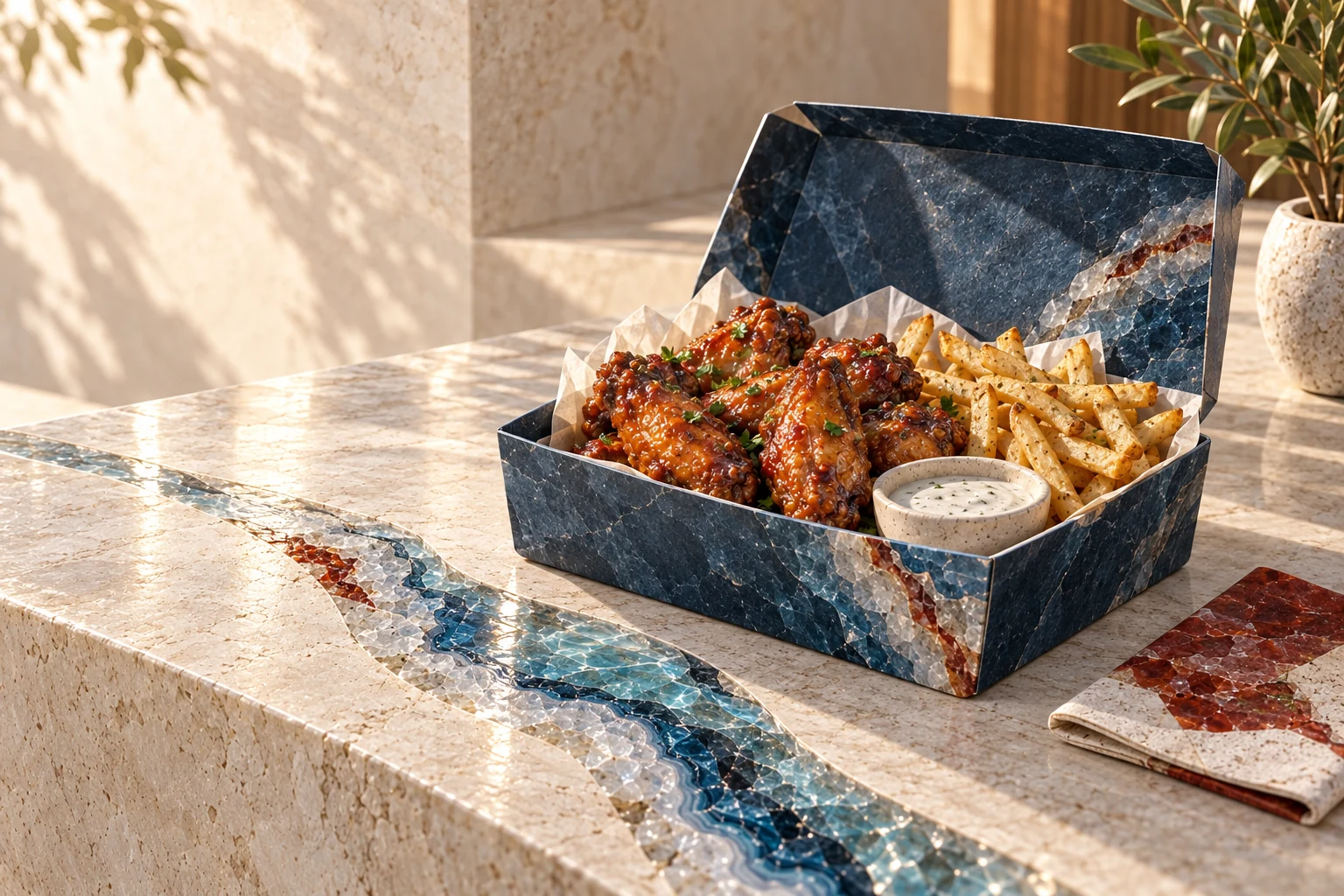
Conceptual industry artwork: chicken wings, takeout packaging and digital ordering.
WingstopRestaurant Franchise

Make the digital journey
worth coming back to.

A restaurant-growth story connecting digital menu presentation, performance campaigns, loyalty and delivery-channel experience.

Historical engagementExplore the engagement
Revenue growth reported in original account
220%
Reported return on ad spend
4.2x
Reported digital sales mix
63%

The original account does not disclose the covered locations, time window, media costs or attribution basis. Figures are reproduced as historical reported results, not independently verified chain-wide performance. Digital sales mix is a share, not a growth rate; ROAS is not net profit.

01 / The assignment
  • Digital menu presentation
  • Performance campaign optimization
  • Loyalty and personalized offers
  • Third-party delivery experience

Adding an ordering channel was not the same as designing a good digital buying experience.

The original Wingstop account frames the challenge as a shift toward digital ordering without treating the existing customer experience as disposable. Menu choices, kitchen complexity, acquisition and repeat purchasing were connected parts of that story. An advertising program could create demand, but the order experience still had to carry it. The described work joined menu analysis with loyalty, performance marketing and third-party delivery presentation. This is a commercial experience case rather than a claim that a new ad format alone changed the business. It asks how the first digital order can become the start of an ongoing customer relationship.

02 / The work

From the first choice to the next order.

The menuDesign the choice for the channel.

The source describes analysis of order data and the balance between margin, preparation complexity and digital appeal. Combos, family packs and sides played a role in the presentation. The operating question was how to make the digital menu useful to the guest without ignoring what the kitchen had to deliver.

The acquisitionMeasure campaigns against orders, not attention alone.

Geo-targeted campaigns across social, search and delivery channels were optimized around ordering. Creative, targeting and offers formed the testing surface described in the account. A channel-level return measure can inform those decisions, but it is not the same as a complete statement of restaurant profitability.

The relationshipContinue beyond the marketplace transaction.

Loyalty enrollment, personalized offers and delivery-platform presentation supported the customer journey after initial acquisition. Better product imagery and descriptions addressed the marketplace experience, while first-party relationship development supported repeat engagement. Those are related responsibilities, not reasons to treat every delivery order as an owned customer relationship.

Inside the operating idea

The order has more than one design surface.

Illustrative guest-journey study based on the published remit. It is not a Wingstop menu, campaign creative or ordering interface.

WingstopIllustrative reconstruction / not a live system
ChoiceA menu a guest can understand

Product presentation, bundles and preparation complexity meet in the digital menu. A clear purchase choice should support both the guest's decision and the operation delivering the order.

ArrivalA campaign with a commercial destination

Advertising brings a guest to a buying experience. Its promise, offer and destination need to make sense together; an impression or click does not establish that the ordering path worked.

ReturnAn invitation to build a relationship

Loyalty and relevant offers give a guest a reason to return. A direct relationship develops through the experience and permission to continue communicating, not merely through the availability of customer data.

03 / What changed

Optimize the journey, not just the media.

The historical account reports revenue growth, return on ad spend and a substantial digital-sales mix. It describes menu optimization, performance campaigns and loyalty as parts of the work. Those figures provide context for the story, but the public page does not establish a chain-wide attribution model or disclose the campaign accounting behind them.

The decision that mattered

The described engagement connected the menu, acquisition and repeat-purchase experience. That is a different scope from simply shifting a restaurant's advertising budget online. The channel can introduce demand; the business experience determines what happens to it.

The broader lesson is to connect digital acquisition with the buying and repeat-purchase experience. A restaurant can improve how it presents choices, brings in guests and maintains relationships without pretending that those responsibilities are interchangeable or that every outcome belongs to marketing alone.

Source and measurement context

The original account does not disclose the covered locations, time window, media costs or attribution basis. Figures are reproduced as historical reported results, not independently verified chain-wide performance. Digital sales mix is a share, not a growth rate; ROAS is not net profit.

Scope and figures are drawn from RevOasis's original Wingstop engagement account. The diagrams explain the work; they are not original client documents or evidence of current system performance. The artwork is a conceptual industry illustration, not a photograph of the client's products or facilities. Reported outcomes are not a forecast for another business.

Client perspectiveAnne Fischer

“RevOasis didn't just help us add online ordering. They helped us become a digital-first restaurant chain.”

Anne FischerSVP, Chief Growth Officer, Wingstop
Your next chapter

What does your business
need to make possible?

Talk through the work
Another engagementBurgerFi